Alpaca Clothing
Care tips
For your favorite alpaca pieces
Alpaca clothing is particularly easy to care for. Thanks to its naturally dirt-repellent and antibacterial properties, the fiber hardly absorbs odors – often, simply airing out the garment is enough. If your alpaca garment does need a wash, here are some tips for that.

Washing

drying

Air out
in case of odour

wear
The most important points in brief
The alpaca fiber is particularly fine and hardly wrinkles when worn. It tends to form very few wool pills, known as pilling, and is antibacterial, dirt-repellent, and easy to care for due to its extremely low lanolin content. Additionally, alpaca is hypoallergenic. This is a great advantage for anyone who is sensitive to wool.
Only wash your garment when necessary and always follow the care instructions on the label. Unless otherwise stated, we recommend a gentle hand wash or a wool cycle at a maximum of 30 °C.
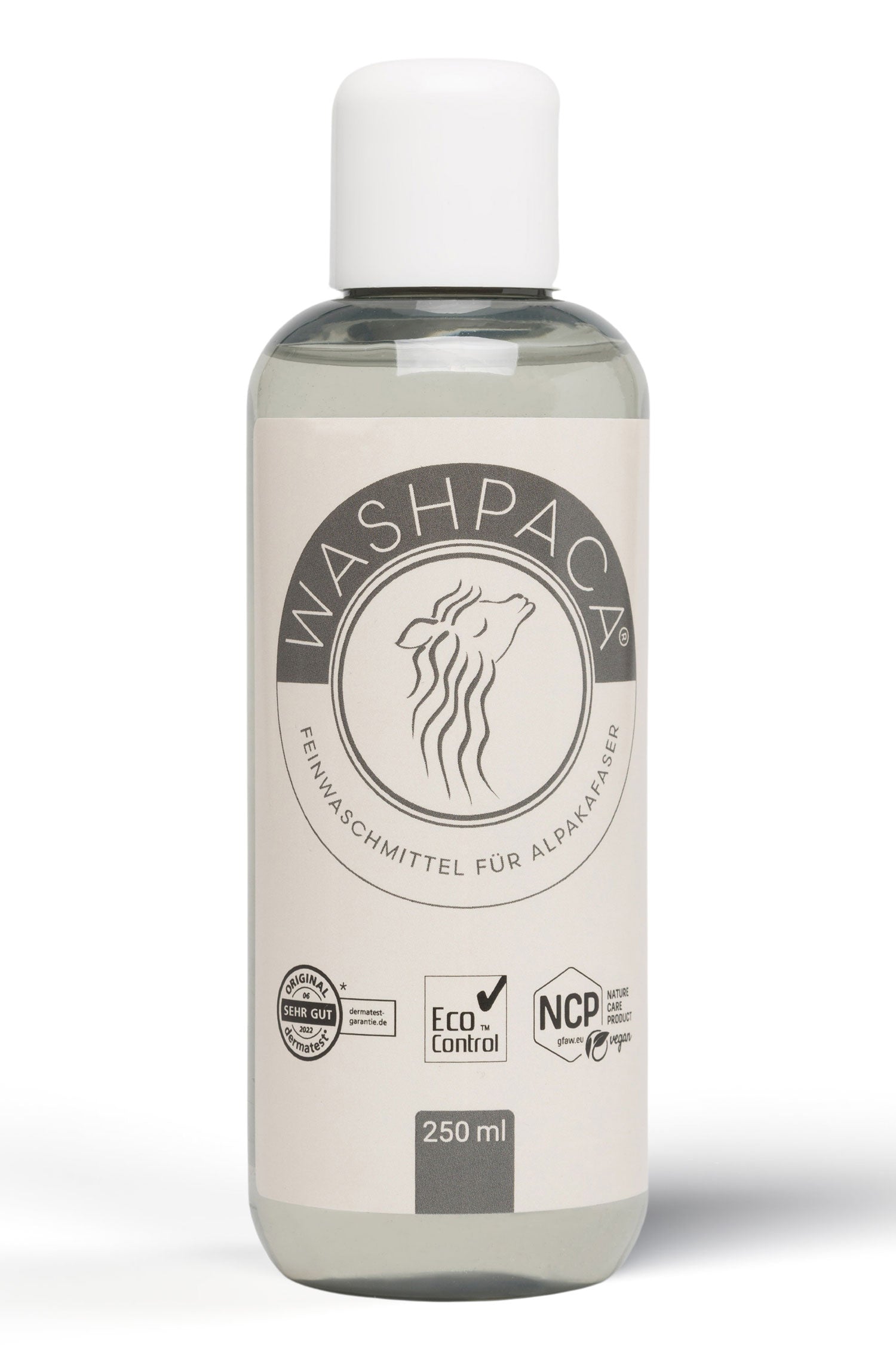
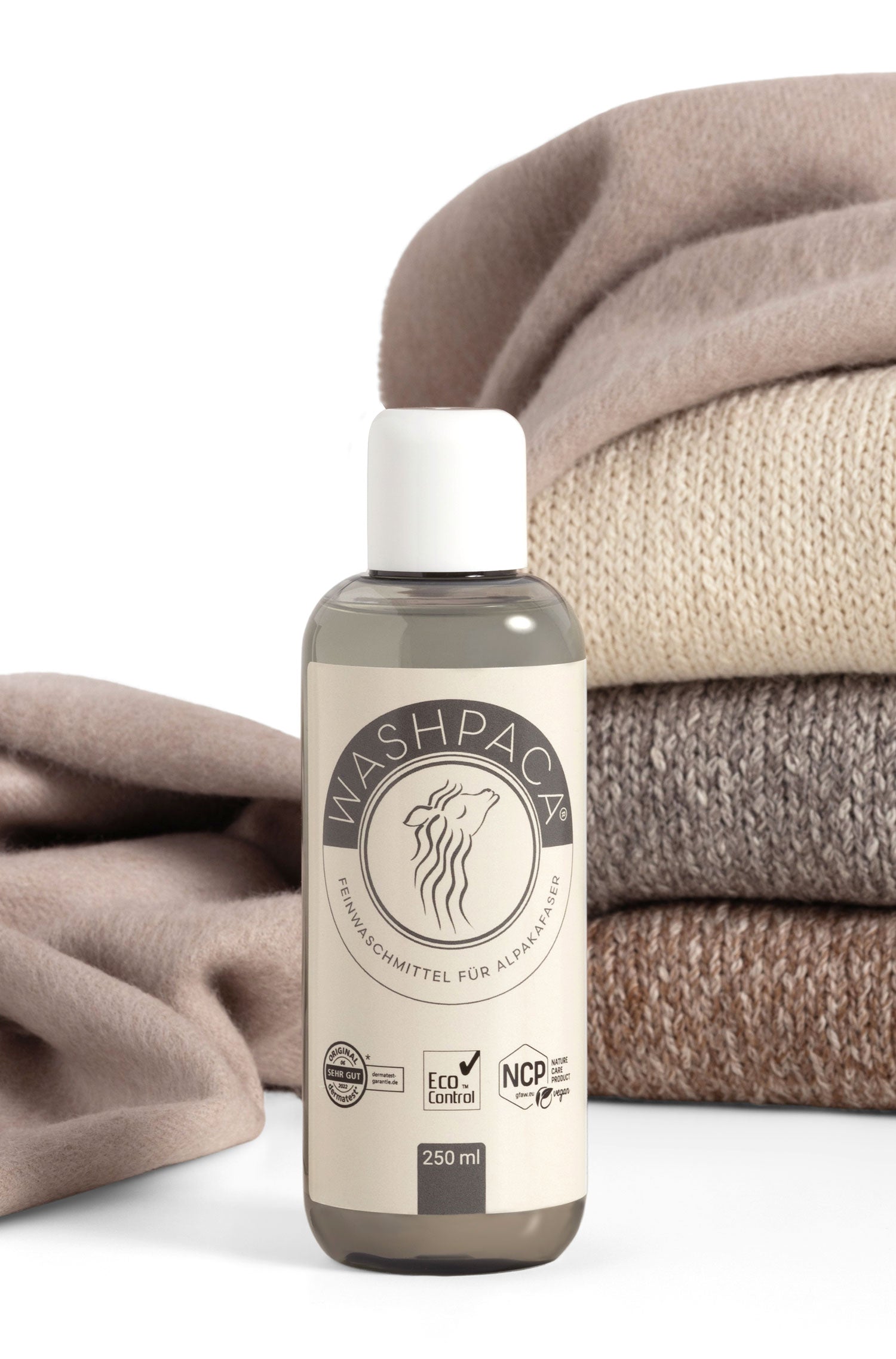
Use a mild wool detergent, ideally one without lanolin, and avoid using fabric softener or other additives. Select the lowest possible spin speed, up to a maximum of 600 rpm.
After washing, lay your garment flat to dry in a shaded place. Please do not wring it out and do not put it in the tumble dryer.
Ironing: Alpaca is sensitive to heat. You should therefore avoid high temperatures and direct contact with the soleplate. Minor creases can usually be gently removed with steam.
Less is more: it is often enough simply to air your garment out in the fresh air. Washing is therefore rarely necessary. Alpaca has natural, self-cleaning properties and absorbs very little dirt or odours. Regular airing protects the fibres and helps to keep your garment fresh for a long time.
Frequently Asked Questions
Answers about care
Often, fresh air is all you need: hang your garment outside or in a well-ventilated place to air it out. Alpaca fibre has natural, self-cleaning properties. Thanks to its fine hollow-fibre structure, it absorbs odours only to a limited extent and usually releases them quickly when aired out. In most cases, unwanted odours can be removed in this way without the need for washing. Airing your garment regularly after wearing it helps to keep it fresh for a long time and protects the fibres.
No. Alpaca has natural self-cleaning properties. It is often enough simply to air the garment out thoroughly after wearing it. This helps the fibres retain their beauty for longer and protects the material.
Wash your garment only when necessary and as gently as possible. Unless the care label states otherwise, we recommend hand washing at a maximum of 30 °C using a mild wool detergent. Do not use fabric softener.
Do not leave the garment to soak; move it gently in the water. You should also avoid spinning, as this puts strain on the fibres and can cause them to felt. After washing, gently squeeze out the water without wringing the garment. Then reshape it and leave it to dry flat, ideally on a drying rack with a dry terry towel underneath. We advise against drying on a clothes hanger, as the material may become misshapen. Avoid direct sunlight and drying on a radiator, as alpaca is heat-sensitive and may shrink at high temperatures.
Tip: Always follow the care label for the specific product. This is the definitive guide to caring for your garment.
Fresh stains should be treated as soon as possible with cold or lukewarm water. Do not rub the affected area vigorously and, if necessary, use a mild wool detergent. For stubborn stains, we recommend professional cleaning.
There’s no need to worry. Light creases or wrinkles can usually be removed quite easily with steam.
Hang the garment on a hanger or lay it flat. Gently smooth out the affected areas with a steam iron or a steam smoother, without touching the fabric directly. Always keep a distance of a few centimetres, as the steam is usually sufficient to relax the fibres and smooth out the creases.
For stubborn creases, you can place a slightly damp cotton cloth between the iron and the garment and carefully steam the area. Please note: alpaca is heat-sensitive. Avoid direct contact with the soleplate and high temperatures, and always use the lowest possible heat setting.
Knitwear such as jumpers, cardigans or scarves should be stored flat wherever possible to ensure they retain their shape. Jackets or coats can be hung on a suitable hanger.
Store your alpaca garments in a clean, dry and well-ventilated place. As alpaca is a natural animal fibre, it should be protected from moths.
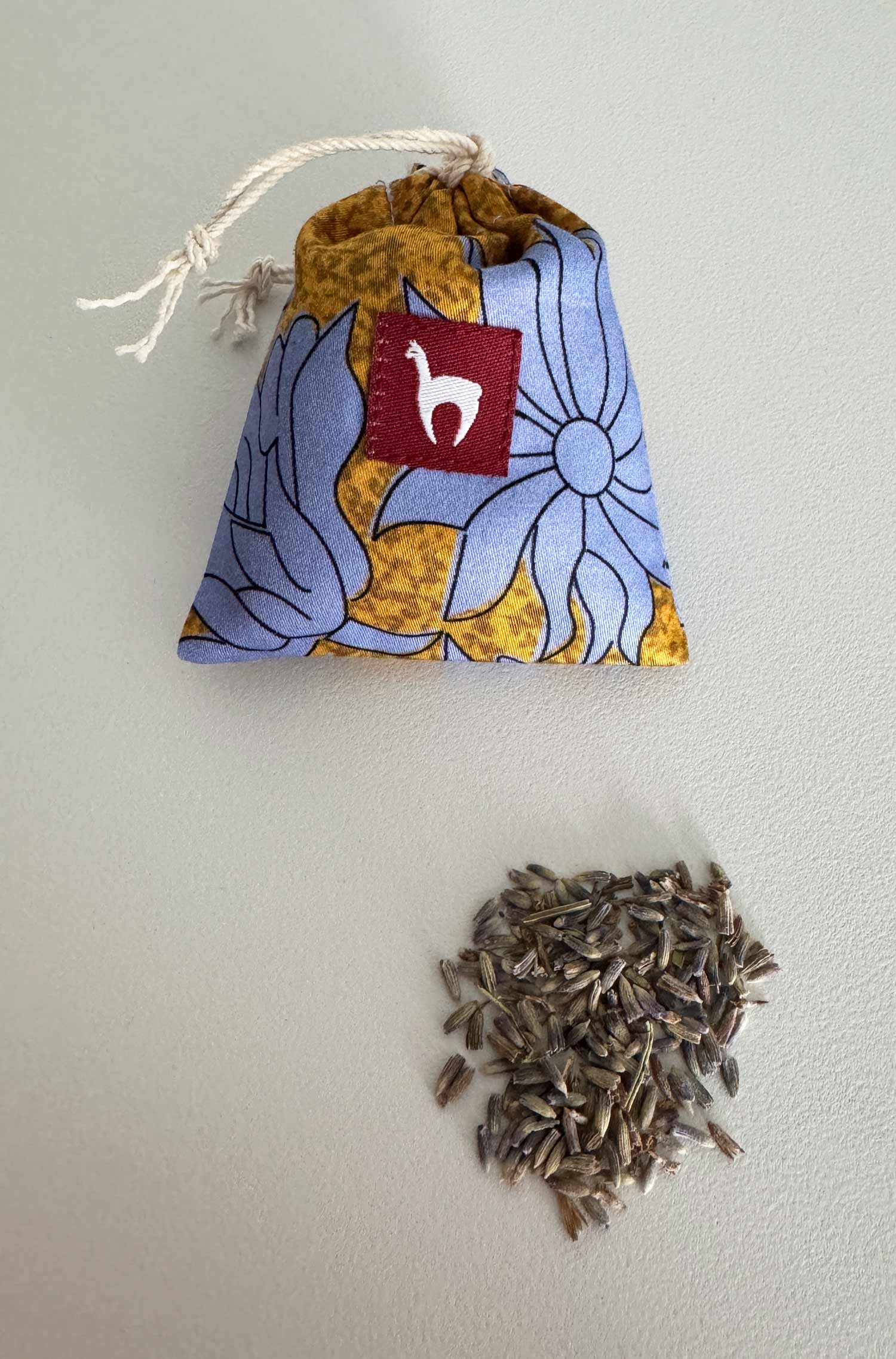
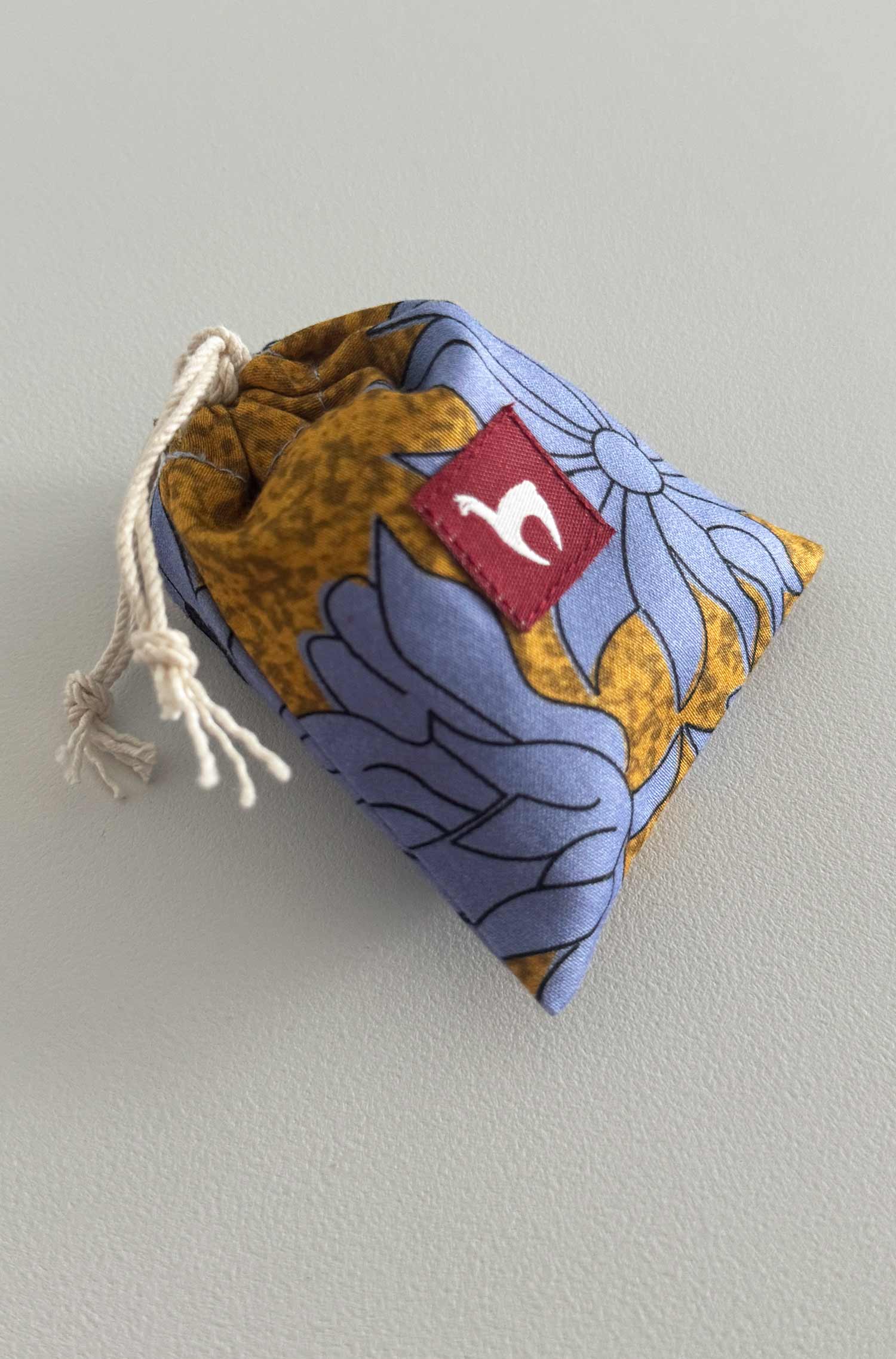
Suitable preventative measures include lavender sachets, cedar wood or appropriate moth-repellent products. Also, ensure that garments are always clean before storing them, as moths are particularly attracted to soiled natural fibres.
Pilling is a natural process that occurs in high-quality natural fibres, particularly in areas subject to increased friction, such as under the arms or on the sleeves. The small bobbles can be carefully removed with a wool comb or lint shaver and do not constitute a quality fault.

Effective and long-lasting
Pest control
Not only do we appreciate our alpaca products – moths are also attracted to the fine fiber. With these simple tips, you can reliably protect your favorite pieces.
Recommended Products
Care